




Understanding
Autism
Autism is a lifelong neurodevelopmental condition that can affect communication, social interaction, behaviour, and sensory experiences.Each autistic person has different strengths, preferences, and support needs. This guide explains everyday experiences and practical next steps for families.
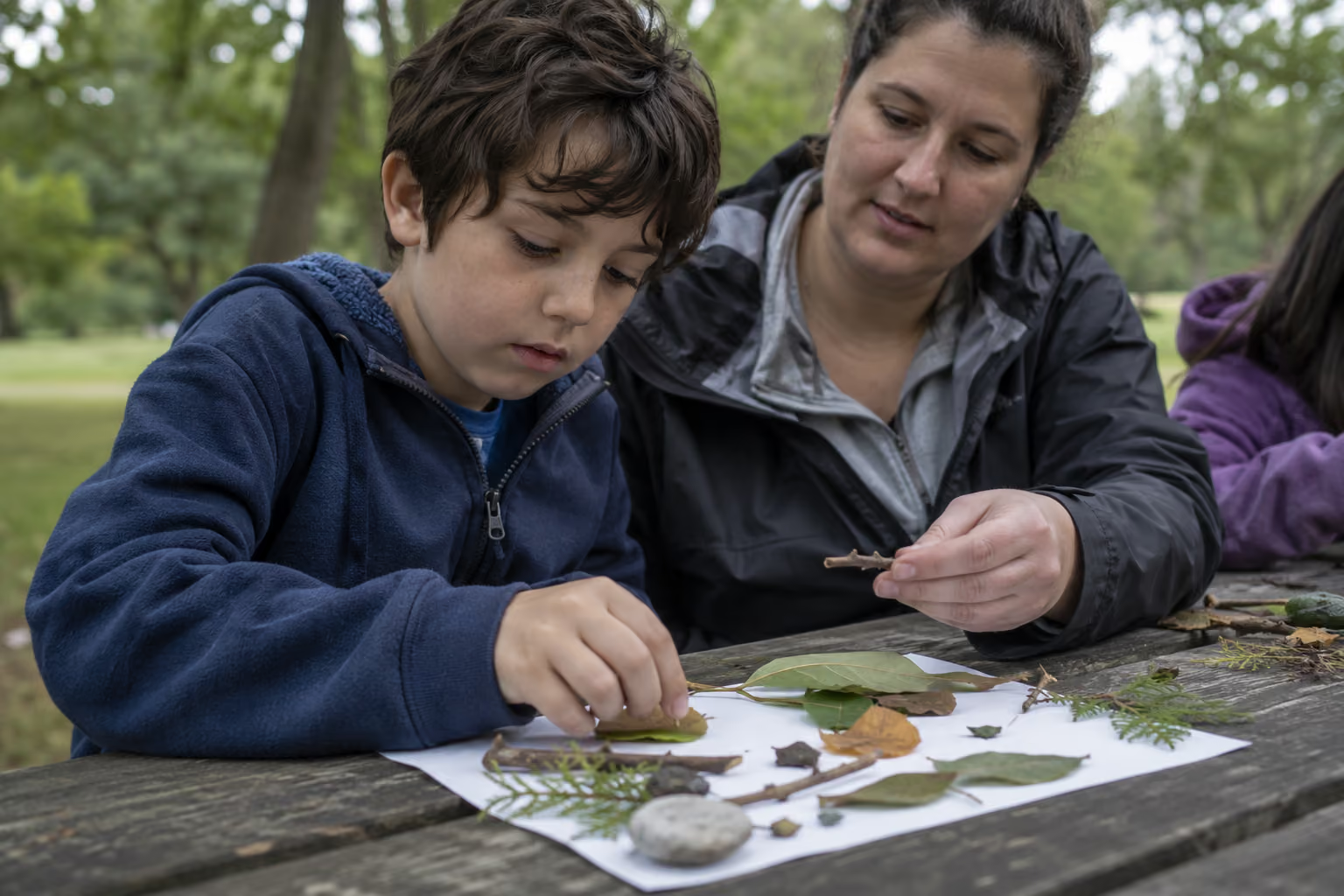
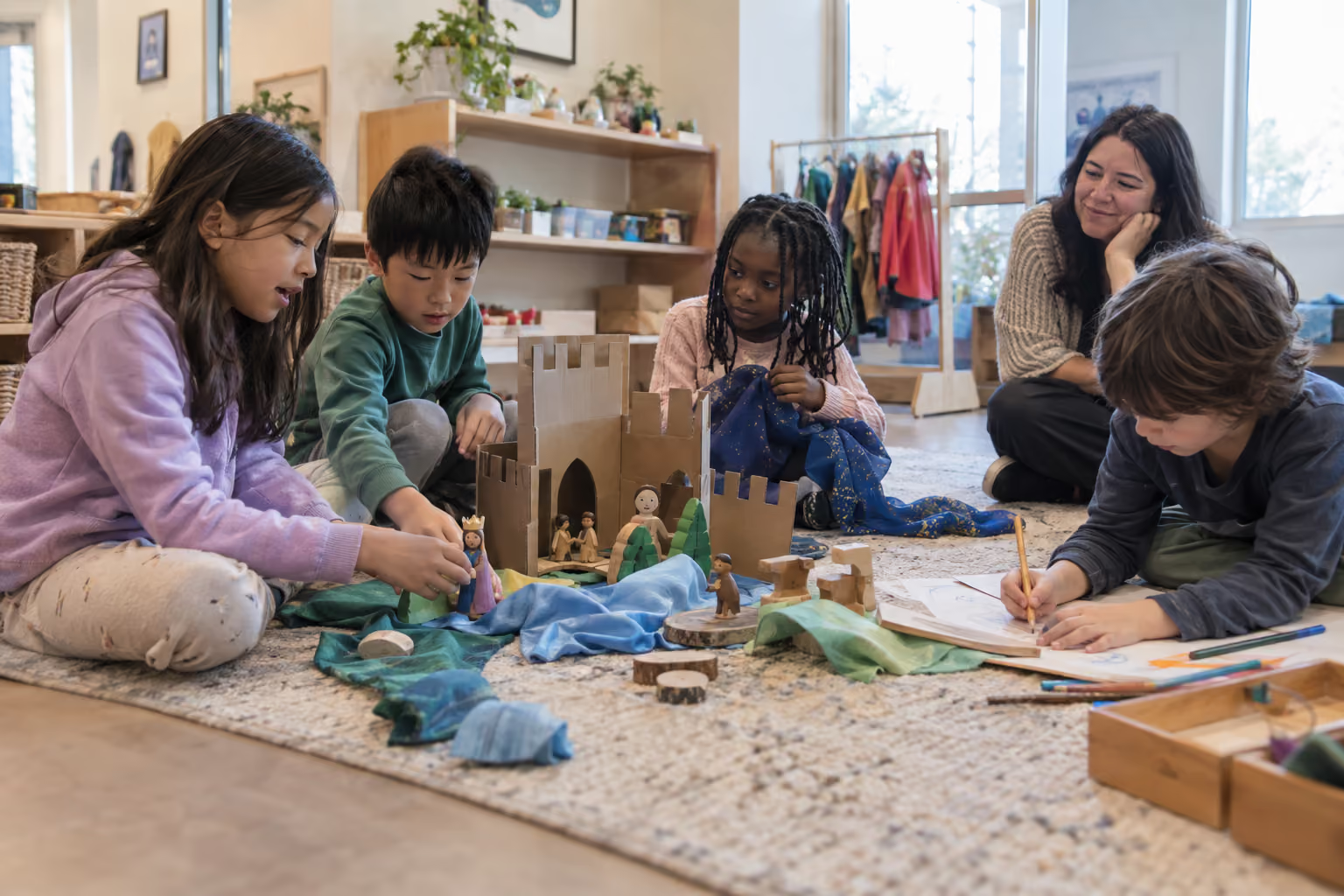
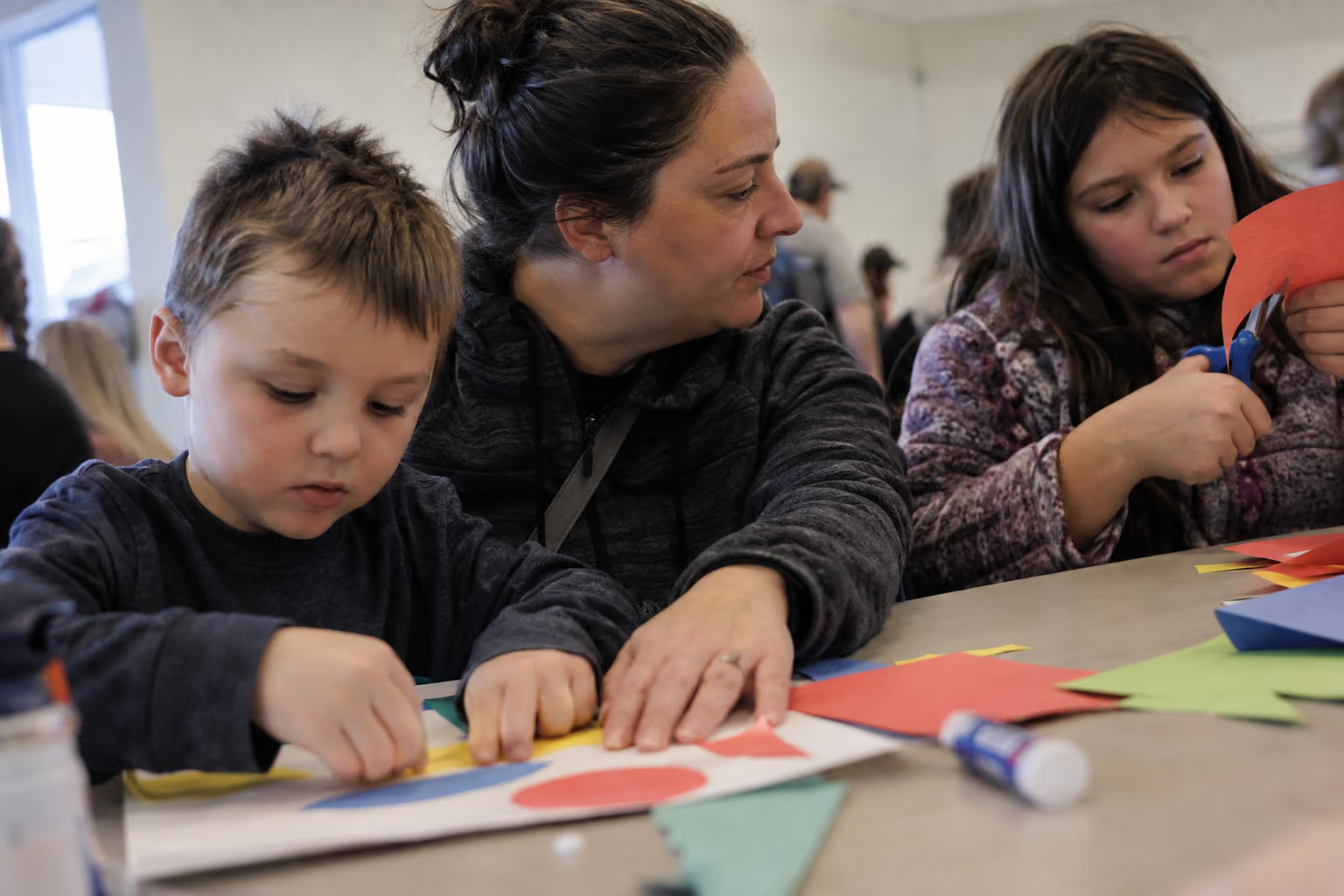
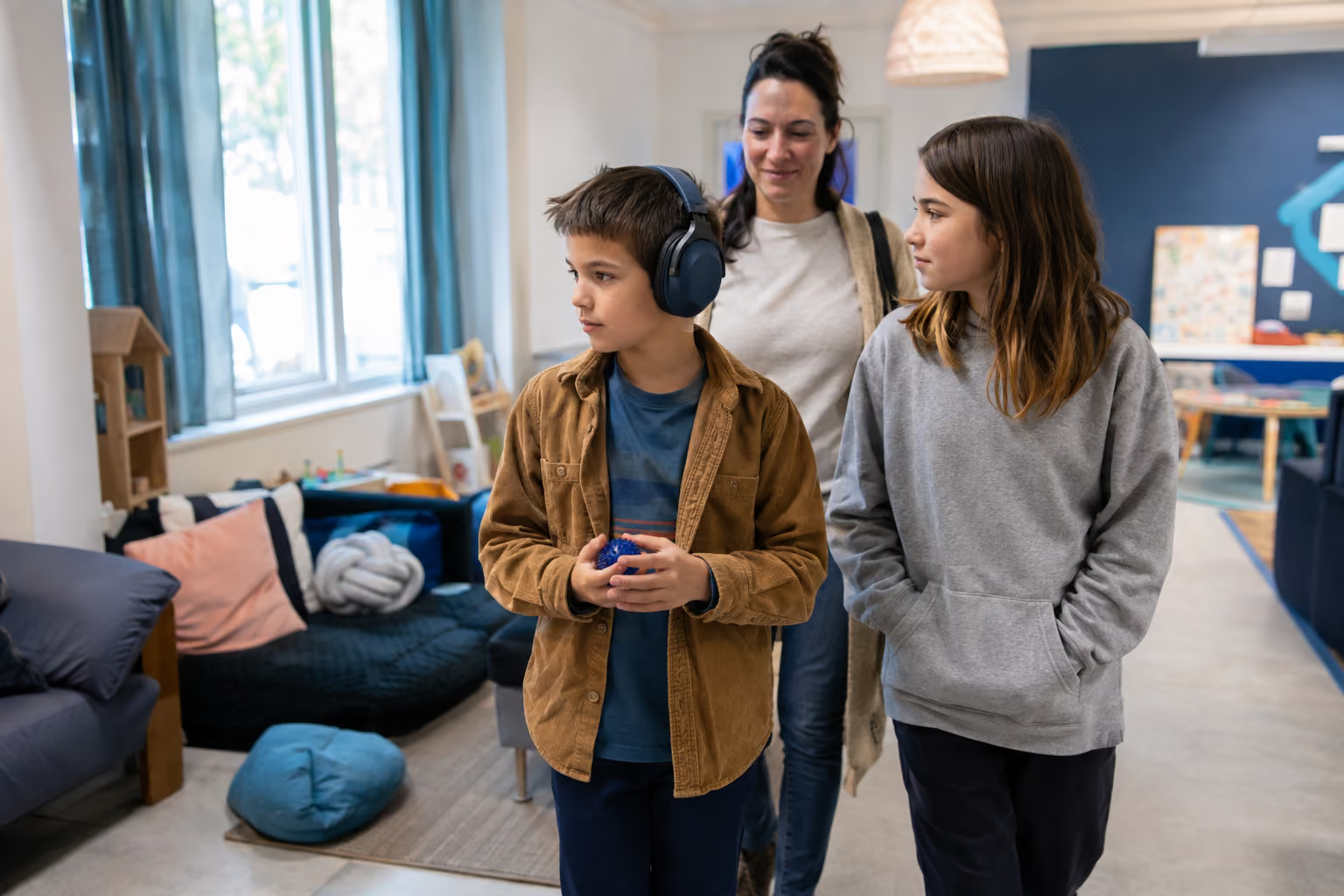
Different strengths.
Different support needs.
The spectrum describes different combinations of strengths and needs. A person may need support with communication, daily activities, or sensory experiences. Support needs can vary across settings and over time; some people need lifelong support.
Communication, sensory experiences, and changes in routine.
Allow different ways to communicate.
People may use speech, gestures, pictures, or communication devices. Some need more time to process a question.
Use clear language, allow time to respond, and respect the person's preferred way of communicating.
Notice what feels comfortable.
Sounds, light, touch, or movement may feel more or less intense. A person may avoid some sensations and seek others.
Ask about preferences. Offer a quieter space or a break, and adjust lighting or noise where helpful.
Make changes easier to anticipate.
An unexpected change, such as a different route or activity, may cause stress. Familiar routines can help.
Explain what will happen next, give advance notice, and offer a visual schedule when useful.
Practical next steps for families.
Use these steps to understand your child's needs and seek support. Everyday adjustments can begin while you seek professional advice.
Write down everyday examples.
Note your child's strengths, communication, routines, and what makes activities easier or harder. Bring specific examples to appointments.
Ask what helps.
Use your child's preferred way of communicating. Ask caregivers or educators what they notice, and compare experiences across settings.
Speak with your child's healthcare provider.
Share your observations and ask whether an autism assessment or other developmental support would be helpful.
Try practical adjustments now.
Offer clearer routines, communication choices, or sensory breaks. Notice what helps and adapt support with your child.
Discuss developmental concerns with a qualified professional.
An autism assessment considers developmental history, communication, and behaviour. Ask your child's healthcare provider about an assessment. This page provides general information and cannot diagnose autism.

Free tools are in development.
We are preparing visual schedules, first–then boards, and sensory planning tools. These resources are not yet available to download.
Preview Planned ResourcesVisual Schedules
Clear steps for routines, transitions, and what comes next.
First–Then Boards
A simple way to make sequence and expectations easier to understand.
Sensory-Friendly Planning
Prompts for noticing triggers, preferences, helpful supports, and calmer spaces.
ThriveBeyond programs.
Explore our educational, recreational, and family support plans for neurodivergent children and youth aged 2–17 in the GTA and Simcoe County. Contact us about current availability.
Explore Programs