
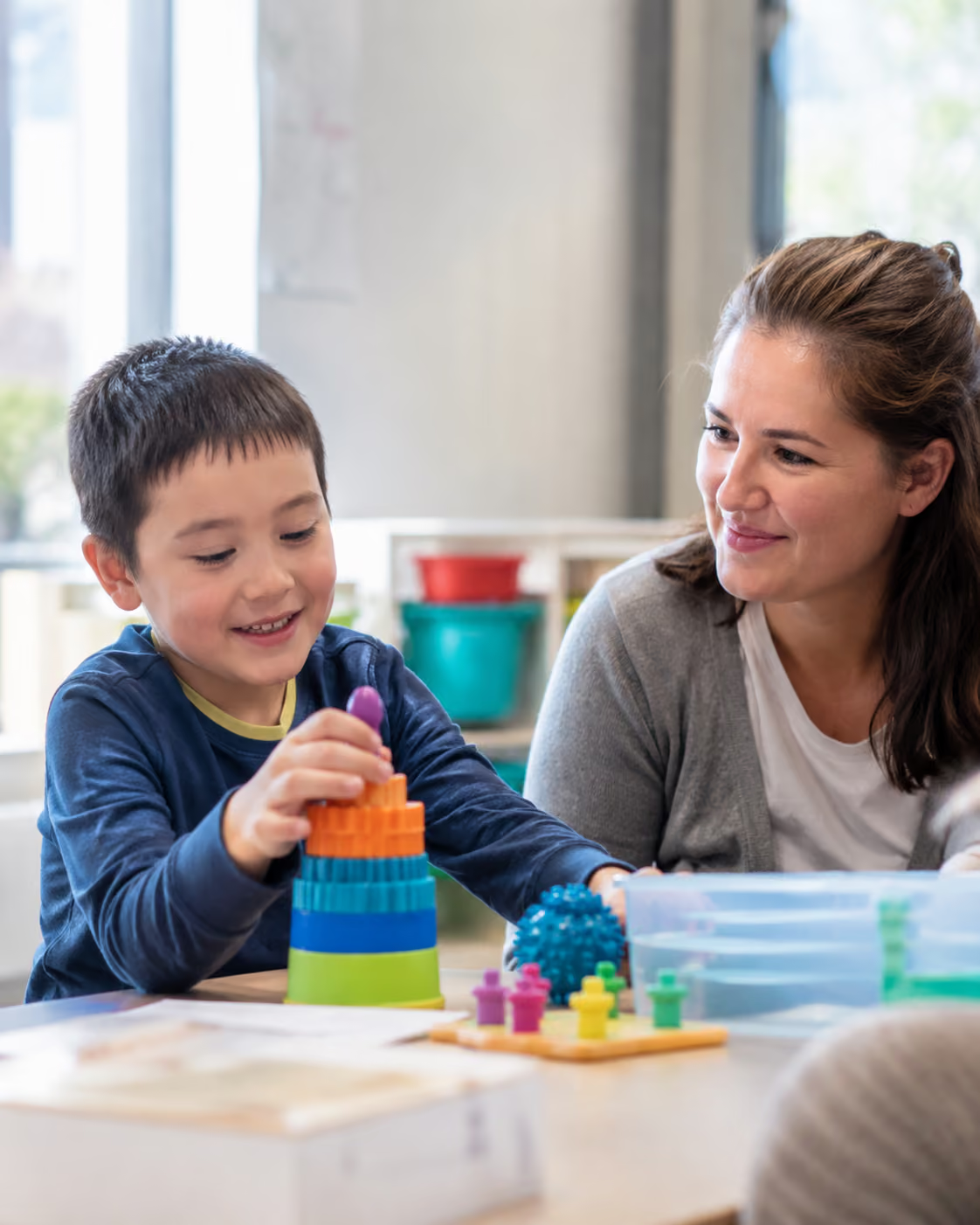
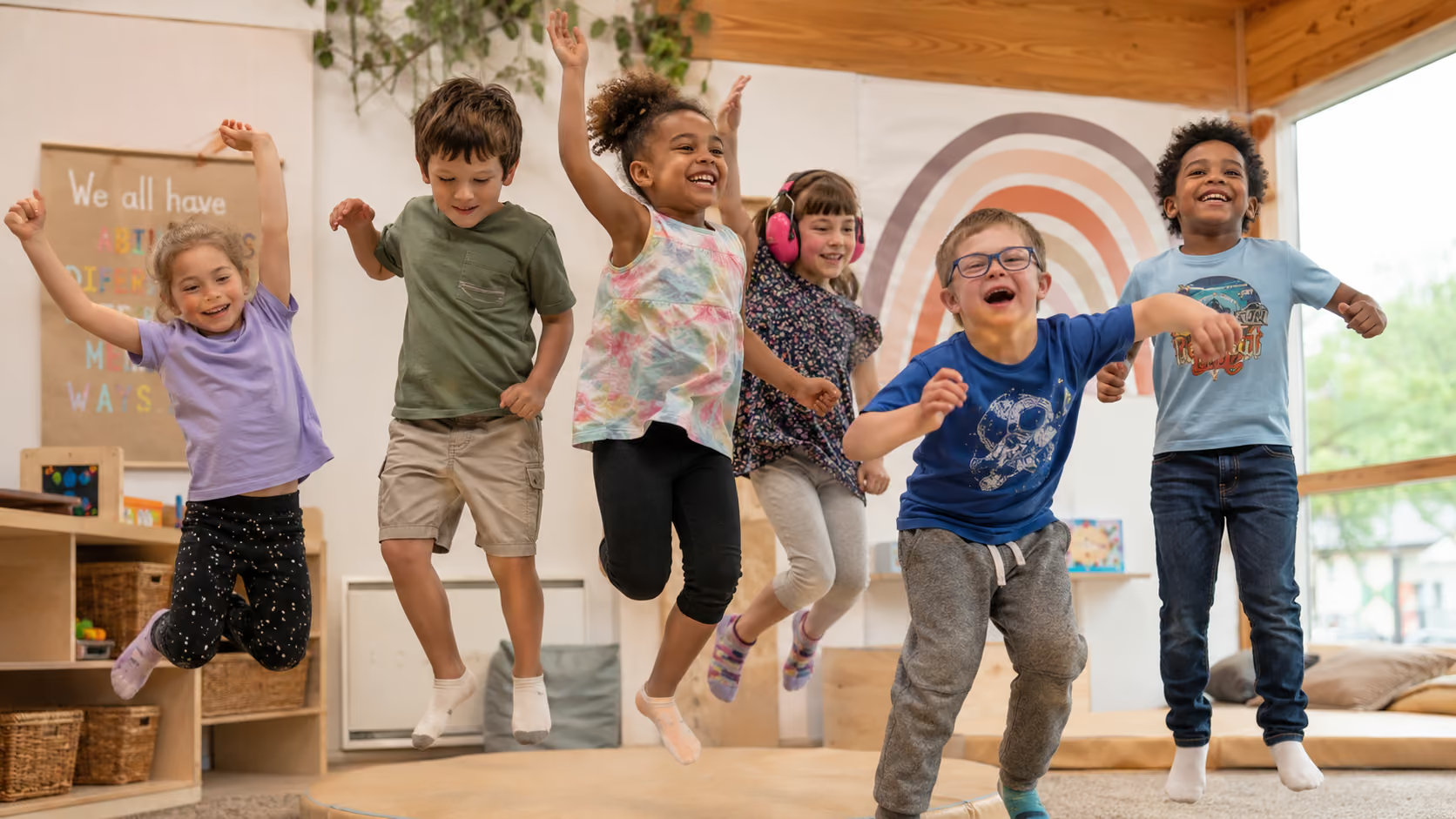

Families thrive when they can participate in community life without constantly explaining, apologizing, or adapting alone. Inclusive programs create places where children are welcomed as they are and caregivers can connect with people who understand their experiences.
Belonging changes participation
A sensory-friendly event, adaptive recreation program, or inclusive learning group can remove barriers that often keep families at home. When environments are designed with different needs in mind, participation becomes more comfortable and sustainable.
Connection provides practical support
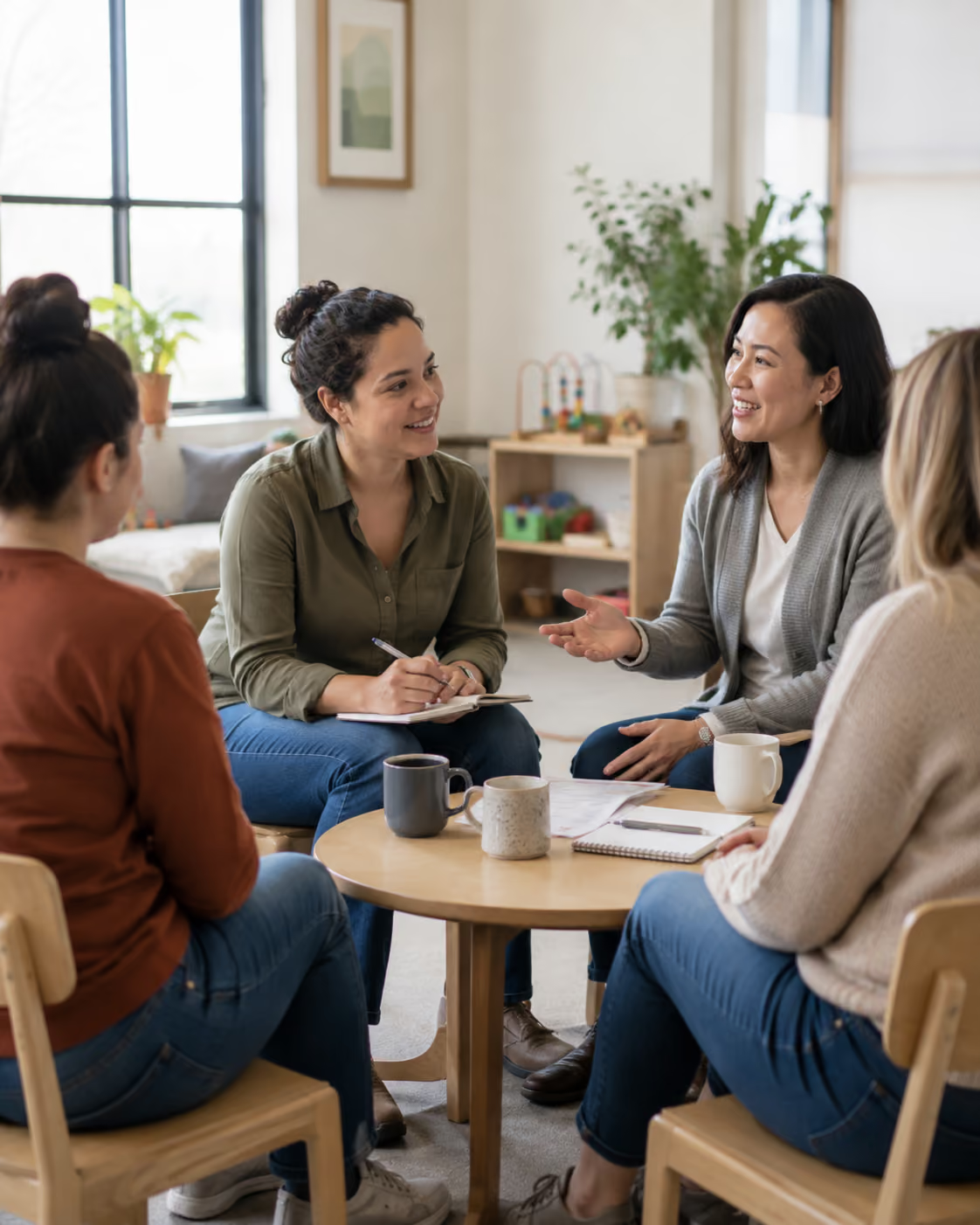
Community relationships can help families exchange ideas, learn about services, and feel less isolated. Support does not always need to be formal. Sometimes it begins with a welcoming conversation, a flexible program, or another caregiver saying, “We understand.”
- Design activities with multiple ways to participate.
- Communicate expectations clearly before events.
- Provide quiet spaces and flexible arrival options.
- Ask families what meaningful inclusion looks like.
Strong communities listen
Inclusion is an ongoing practice. Organizations, schools, businesses, and neighbours can make a difference by listening to neurodivergent people and their families, responding to real needs, and creating opportunities built on dignity and respect.