
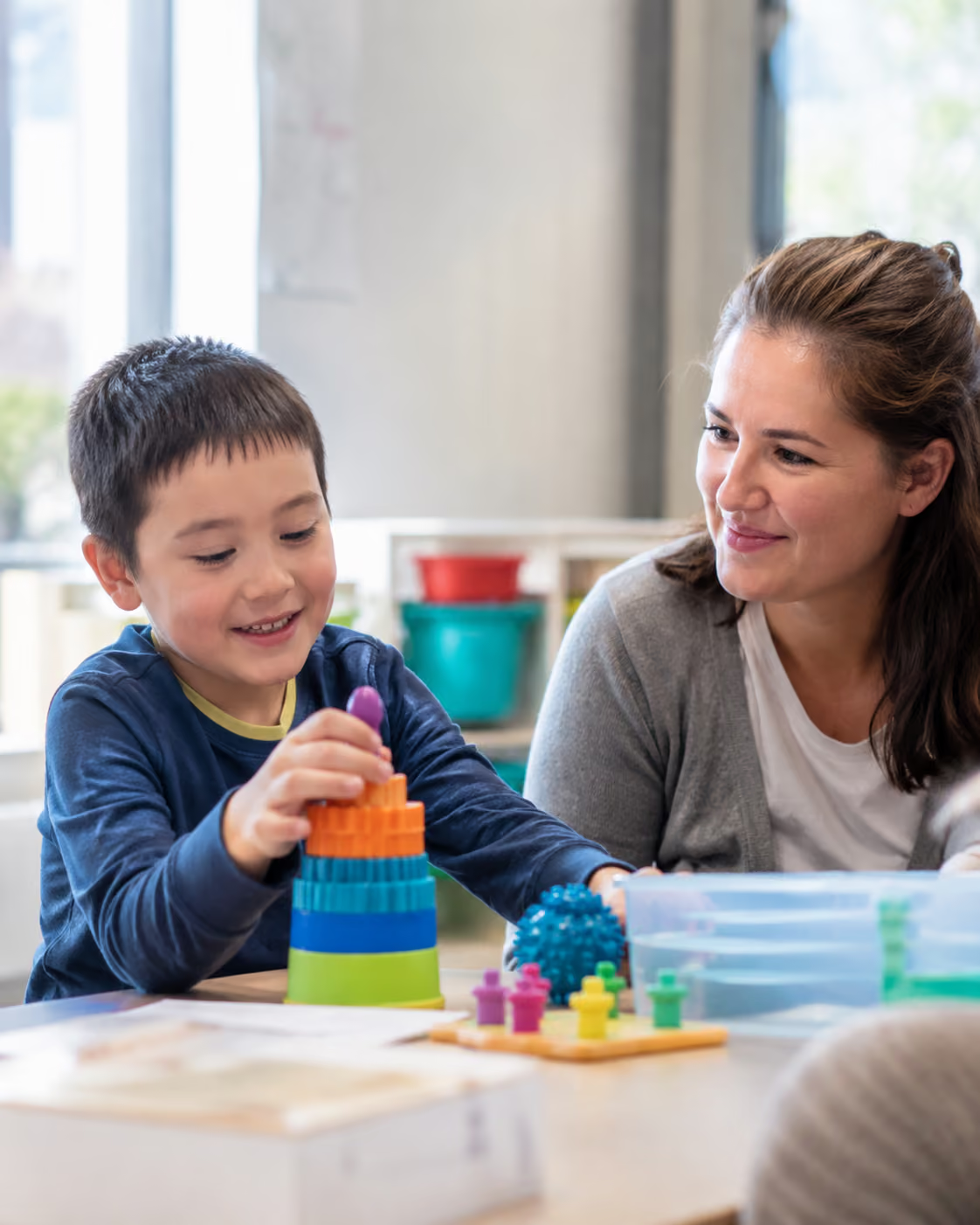

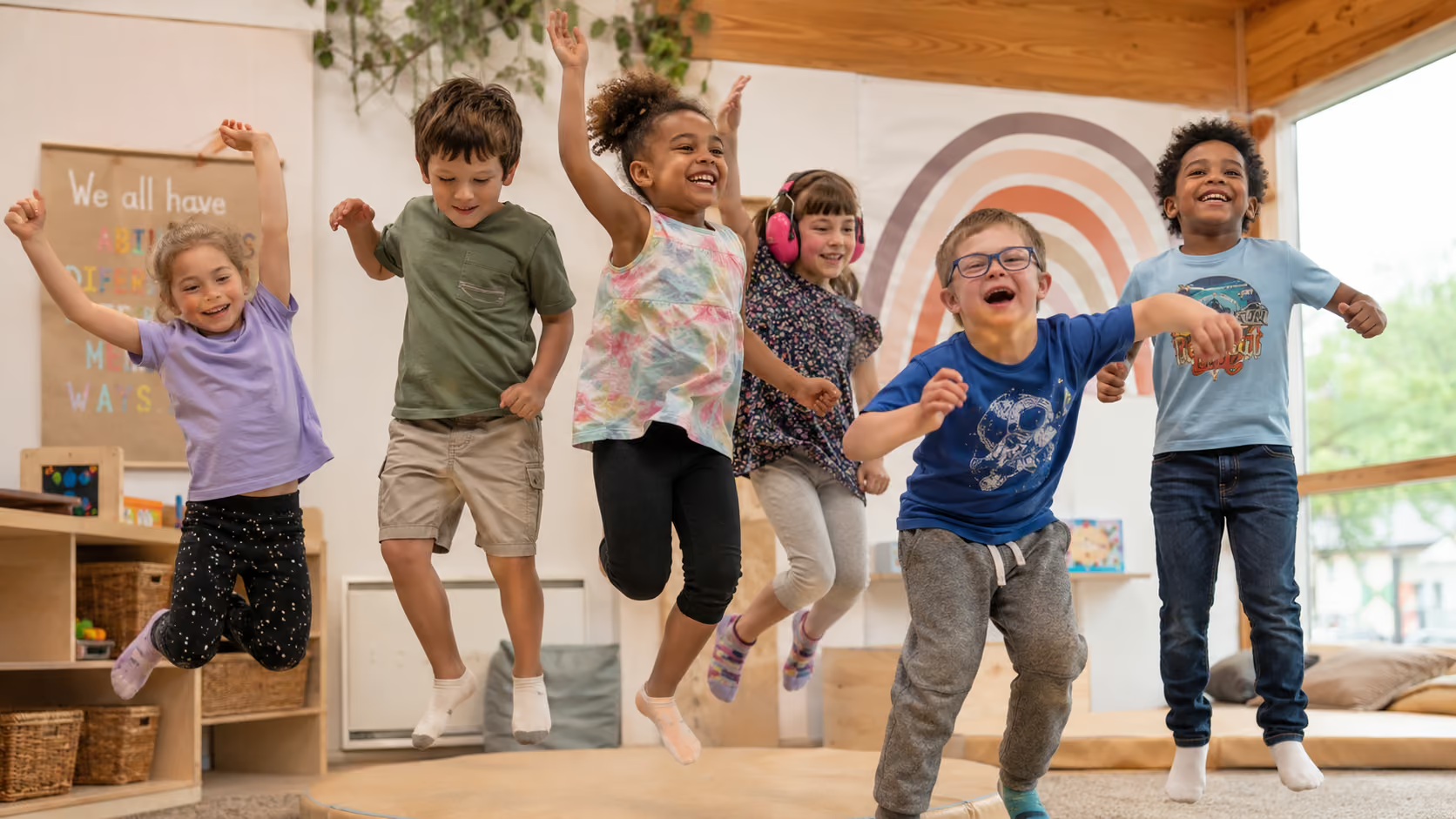
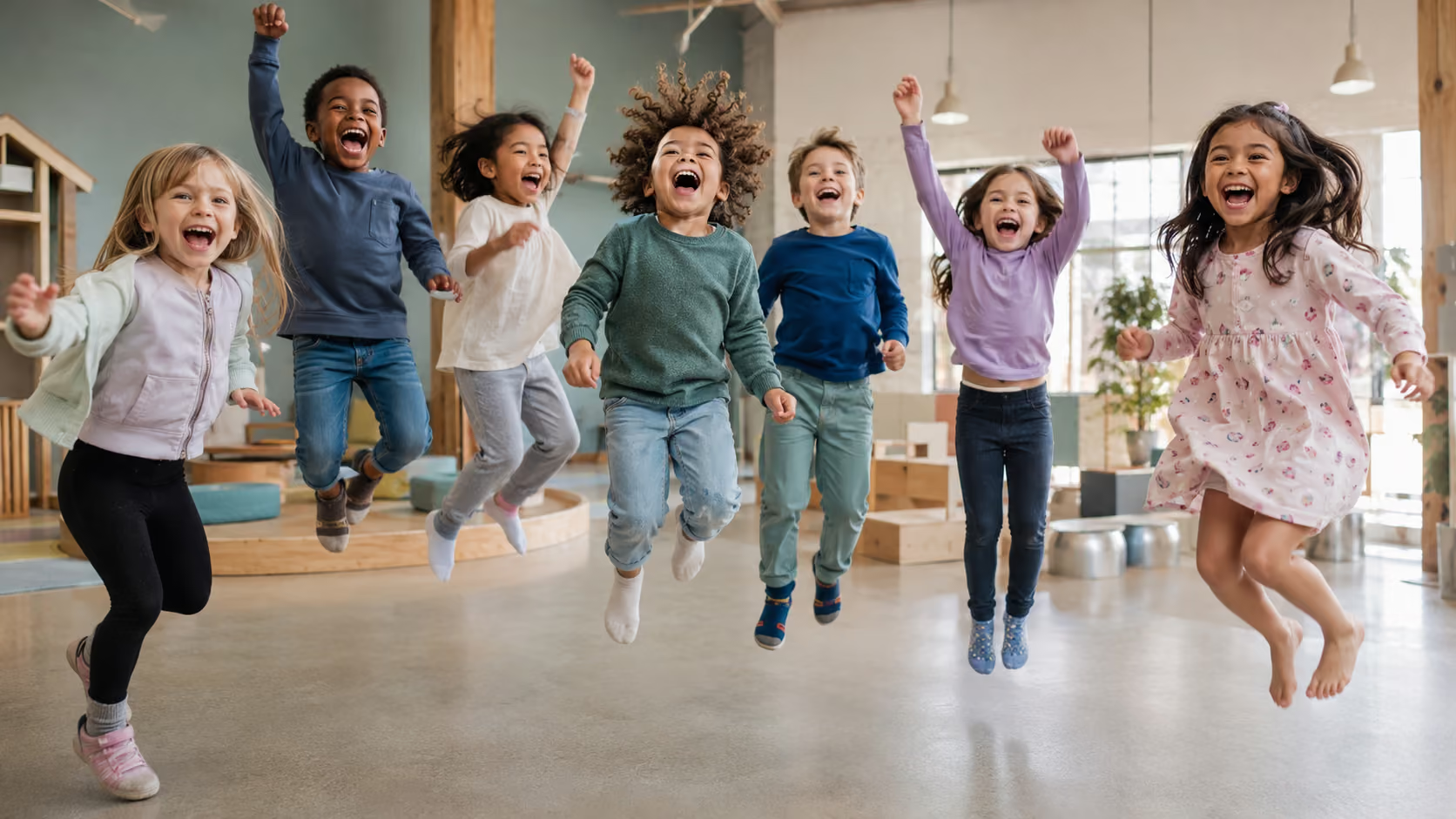

Autistic and other neurodivergent children may experience sound, light, touch, movement, smell, or other sensory information differently. A person may be more sensitive, less sensitive, or seek particular sensations. Each sensory profile is different.
Observe without assuming
Notice patterns across activities and environments. Consider noise, lighting, clothing, movement, crowding, fatigue, communication demands, and unexpected changes. Ask the child what helps in a way they can respond to.
Offer practical options
Small adjustments may make participation easier. Options can include a quieter area, reduced visual clutter, movement breaks, comfortable seating, or advance notice of transitions.
- Make headphones or ear protection available when appropriate.
- Provide space to move or sit differently.
- Use clear visual information before transitions.
- Respect a request to pause or step away.
Review what helps
Do not infer the cause of a reaction from behaviour alone. Compare observations across settings and work with the child, family, educators, and qualified professionals when guidance is needed.